


Old VHS tapes can hold irreplaceable family memories, common commercial movies, or recordings you no longer need. Before you throw anything away, it helps to sort them by condition, content, and potential value. Important home videos should usually be digitized first; collectible releases may be worth checking or selling; usable commercial tapes can sometimes be donated; and unwanted tapes may need a specialty recycling or local disposal option. This guide explains what to do with old VHS tapes, how to get rid of VHS tapes responsibly, and what to check before you play, sell, donate, recycle, or dispose of them.
What to Do with Old VHS Tapes
If you are sorting through a box of old VHS tapes, the safest approach is to decide what each tape is before choosing what to do with it.
- Home videos or family recordings: Digitize them before the tape deteriorates further or compatible playback equipment becomes harder to find.
- Rare, sealed, or unusual commercial tapes: Check recent sold prices before donating or discarding them.
- Common commercial movies in usable condition: Sell, donate, or give them away if someone in your area still wants them.
- Damaged, dirty, or moldy tapes: Do not put them straight into a VCR. Have valuable recordings assessed before playback.
- Tapes with no sentimental or resale value: Look for a specialty recycling option or follow your local waste authority's disposal guidance.
Check Your VHS Tapes Before You Play Them
Before inserting an old tape into a VCR, inspect the cassette and the visible tape pack. Magnetic videotape can deteriorate with age, moisture, dirt, poor storage, and repeated playback. A damaged tape can also contaminate or damage the VCR you use to play it.
- Look for mold or fuzzy white deposits: If you see visible growth, do not play the tape or try to clean it casually. Mold can damage the recording and may pose a health risk.
- Check for dirt, debris, or water damage: A visibly dirty or contaminated tape should be assessed before playback.
- Inspect the cassette shell: Cracks, warping, loose tape, or an uneven tape pack can interfere with playback.
- Prioritize irreplaceable recordings: If a tape contains family history, weddings, birthdays, or other one-of-a-kind footage, avoid unnecessary playback and digitize it as soon as practical.
If you are unsure whether a damaged tape is safe to play, a video preservation or professional digitization service is the better option.
Option 1: Digitize Important VHS Tapes
If your old video tapes contain home movies or other irreplaceable recordings, digitizing them should usually be the first priority. VHS is an aging magnetic format, and preserving the content as a digital file makes it easier to back up, watch, edit, and share without repeatedly playing the original tape.
Learn how to digitize your VHS tapes >>
1. The DIY Method: Do It Yourself
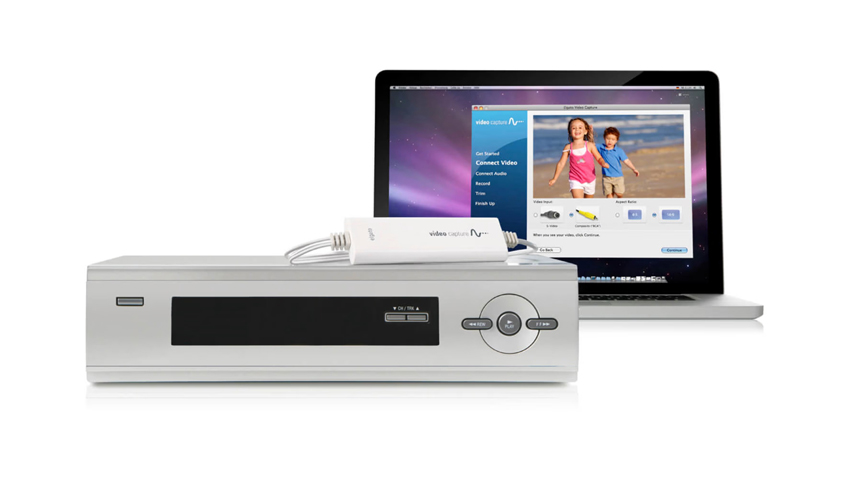
For a small number of clean, playable tapes, DIY conversion can be practical. You typically need a working VCR, a video capture device, and a computer. Connect the VCR to the capture device, connect the device to your computer, and record the tape in real time with capture software. The result can then be saved in a common digital format such as MP4.
2. The Professional Method: Use a Digitization Service
A professional service can make more sense if you have a large collection, no working VCR, or tapes that are physically damaged, moldy, or especially valuable to you. Services may return digital files by download, USB drive, hard drive, or another format depending on the provider. Before sending irreplaceable tapes, check how the service handles damaged media, what file format and resolution you will receive, whether the originals are returned, and how backups are handled.
Which method should you choose? DIY is best suited to a manageable number of tapes that are already in good playback condition. Professional handling is generally safer for damaged media and one-of-a-kind recordings that you do not want to risk.
💡 Bonus Step: Restore Your Digitized VHS Footage
Digitizing a VHS tape preserves the signal on the tape, but it does not automatically remove the visual flaws of the original recording. After capture, VHS footage may still show analog noise, softness, low apparent resolution, faded or unbalanced color, and interlacing artifacts such as horizontal comb-like lines during motion.
Aiarty Video Enhancer can process the digital file after capture. It supports AI denoising, deblurring and upscaling up to 4K, plus Force Deinterlace for interlaced footage, adjustable enhancement Strength, color correction, and AI audio denoising. For VHS restoration, preview a short representative section first and use moderate settings when you want to preserve the original texture instead of making old footage look overly processed.
In other words, the workflow is VHS tape → digital capture → optional restoration → backup. Restoration should be performed on the digital copy rather than by repeatedly playing the original tape.
You might also be interested in restore VHS videos to HD >>
Are Old VHS Tapes Worth Anything?
Most mass-market VHS movies have modest resale value, but certain tapes can still attract collectors. Condition, scarcity, demand, release version, packaging, and whether the tape is still factory sealed can all affect what a buyer is willing to pay.
Before assuming a tape is valuable, search the exact title, release year, edition, and identifying details on a marketplace such as eBay, then compare recent sold or completed listings rather than unusually high asking prices. Rare horror and cult releases, promotional or screener tapes, limited releases, and some sealed copies may be more collectible than common mass-market titles.
Be cautious with claims that every Disney "Black Diamond" VHS is worth a fortune. The label alone does not guarantee rarity or a high selling price. Actual sold listings for the same edition are a more useful benchmark.
Option 2: Sell or Donate Them
If a commercial VHS tape is still in usable condition and you no longer want it, selling, donating, or giving it away can keep it in circulation instead of sending it directly to waste.
1. Selling Your Tapes
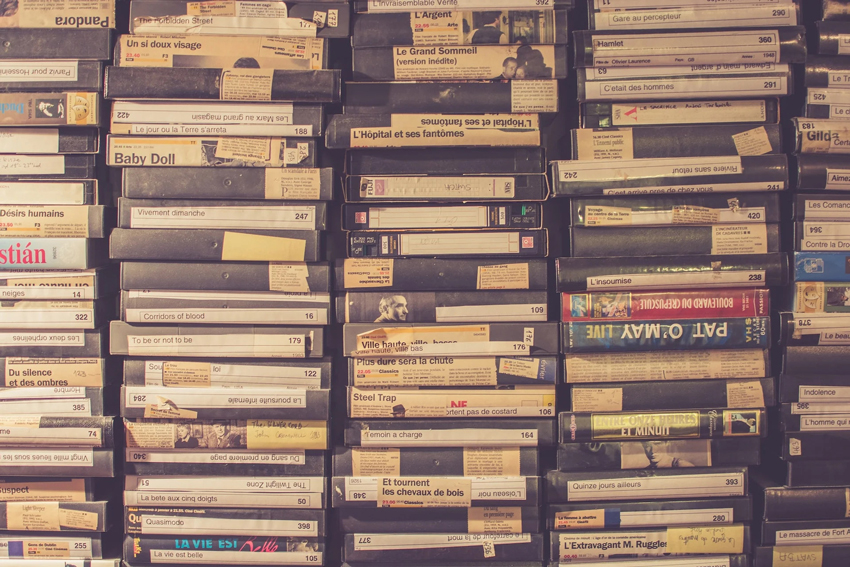
For individual collectible titles, online marketplaces can help you reach buyers who are specifically searching for a release. For common tapes or larger collections, local marketplaces, used-media stores, collector groups, or bundle listings may be more practical. Describe the exact edition and condition accurately, and avoid setting a price based only on active listings.
2. Donating or Giving Them Away
Some thrift stores, used-media shops, libraries, community organizations, retirement communities, schools, or local reuse groups may accept VHS tapes, but acceptance varies widely. Always call or check the organization's current donation policy before bringing a box of tapes.
For home-recorded VHS tapes, consider privacy before donating or giving them away. If a tape contains family footage, personal information, or recordings you have not reviewed, digitize what you want to keep and dispose of the physical tape through an appropriate route instead of passing it to an unknown recipient.
Option 3: Repurpose Them into Crafts
If a tape has no sentimental or resale value but you enjoy DIY projects, the cassette shell or case can be reused as retro craft material. Keep this option for tapes you are certain you do not need to preserve.
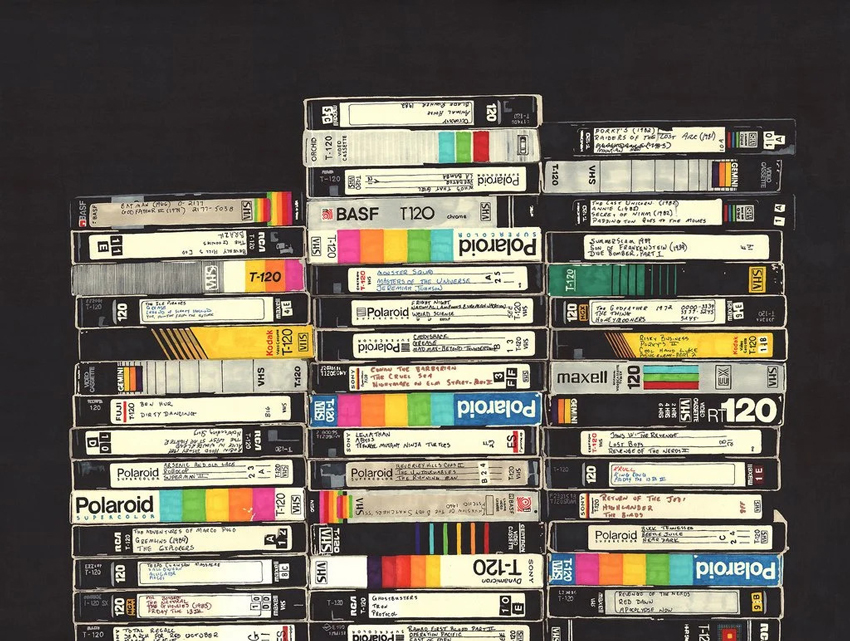
- Retro storage or display: Reuse empty cases to store small craft supplies, cables, or stationery.
- Mixed-media art: Use the cassette shell, reels, labels, or carefully removed tape as visual elements in an art project.
- Props or nostalgic decor: Commercial tapes and cases can be incorporated into retro displays, shelving decor, or themed creative projects.
Learn how to improve the quality of old tapes >>
Option 4: Recycle or Dispose of VHS Tapes Properly
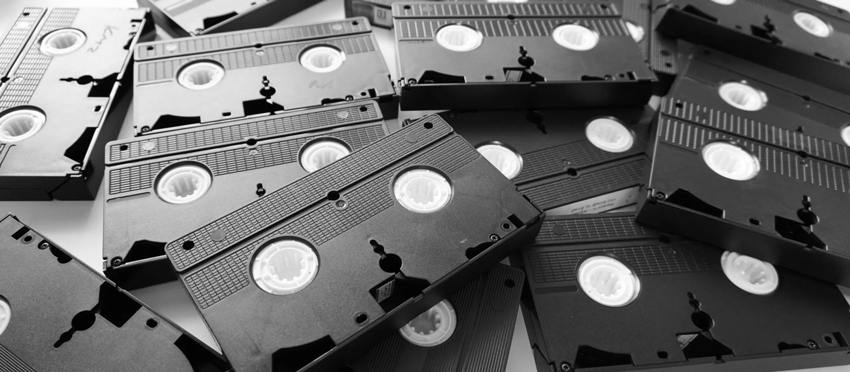
VHS tapes are difficult to recycle because the rigid plastic cassette and the coated magnetic tape are different materials. They are generally not accepted in standard curbside recycling programs, so putting a whole VHS cassette into your household recycling bin can contaminate the recycling stream.
- Look for a specialty media recycler: Some recycling services accept magnetic media through drop-off or mail-in programs. Fees and accepted materials vary, so confirm the service before sending anything.
- Check local recycling or e-waste programs: Some facilities or collection events may accept VHS tapes, while others do not. Do not assume that an e-waste event accepts magnetic media; verify the accepted-items list first.
- Separate recyclable packaging where appropriate: Paper sleeves or cardboard packaging may be recyclable through your local paper program if they are clean and your municipality accepts them.
- If no recycling option is available: Follow your local waste authority's guidance for disposal rather than placing VHS tapes in curbside recycling.
How to Store VHS Tapes Until You Digitize Them
If you are not ready to digitize important tapes immediately, good storage can reduce avoidable damage while you plan the transfer.
- Store tapes vertically in their cases: Avoid stacking them flat for long periods.
- Keep them cool and dry: Avoid damp basements, hot attics, direct sunlight, and large swings in temperature or humidity.
- Keep them away from strong magnetic fields: Speakers, motors, transformers, and other strong magnetic sources can damage magnetic media.
- Limit playback: Each playback puts mechanical stress on the tape. Once an important recording is safely digitized, use the digital copy for routine viewing.
- Make more than one digital copy: Store backups in more than one location so a single drive failure does not become another preservation problem.
For more preservation tips, see how long VHS tapes last and how to preserve them.
 FAQs
FAQs
Usually not. VHS cassettes combine rigid plastic with coated magnetic tape, and standard curbside recycling programs generally are not designed to process the whole item. Check your local recycling rules rather than putting VHS tapes in the bin automatically.
Sometimes. Specialty media recyclers and some local recycling or e-waste programs accept VHS tapes, but availability varies by location. Confirm that VHS or magnetic media is specifically listed before you drop off or mail your tapes.
Possible options include thrift stores, used-media shops, libraries, community organizations, retirement communities, schools, and local reuse groups. Policies change, so call or check the organization's current accepted-items list before donating.
First digitize any personal recordings you want to keep. Then consider selling, donating, or giving away usable commercial tapes. For unwanted tapes, look for a specialty media recycler or a local facility that specifically accepts VHS. If none is available, follow your local waste authority's disposal guidance.
Most common mass-market VHS tapes have modest resale value, but some rare, sealed, promotional, cult, or limited releases can be collectible. Check recent sold listings for the exact edition and condition instead of relying on unusually high asking prices. A Disney "Black Diamond" label by itself does not guarantee a high value.
Yes, if they contain home movies, family history, personal recordings, or anything you may want later. Digitization preserves the content and lets you make backups without repeatedly playing the aging original tape.
Do not put a visibly moldy, dirty, or physically damaged tape directly into your VCR. If the recording matters, contact a video preservation or professional digitization specialist who can assess the tape before playback.
You May Also Like


This post was written by Brenda Peng who is a seasoned editor at Digiarty Software who loves turning ordinary photos into extraordinary works of art. With AI assistance for brainstorming and drafting, the post is reviewed for accuracy by our expert Abby Poole for her expertise in this field.
