VS.

Aiarty Image Enhancer Alternative to Topaz Photo AI?

Compare Aiarty Image Enhancer and Topaz Photo AI in image quality, speed, workflow, pricing, and long-term value. We tested both tools side by side to see whether Aiarty is a worthy Topaz alternative in 2026.
What We Compared:
  • Image Quality
  • Pricing
  • AI Models
  • Speed
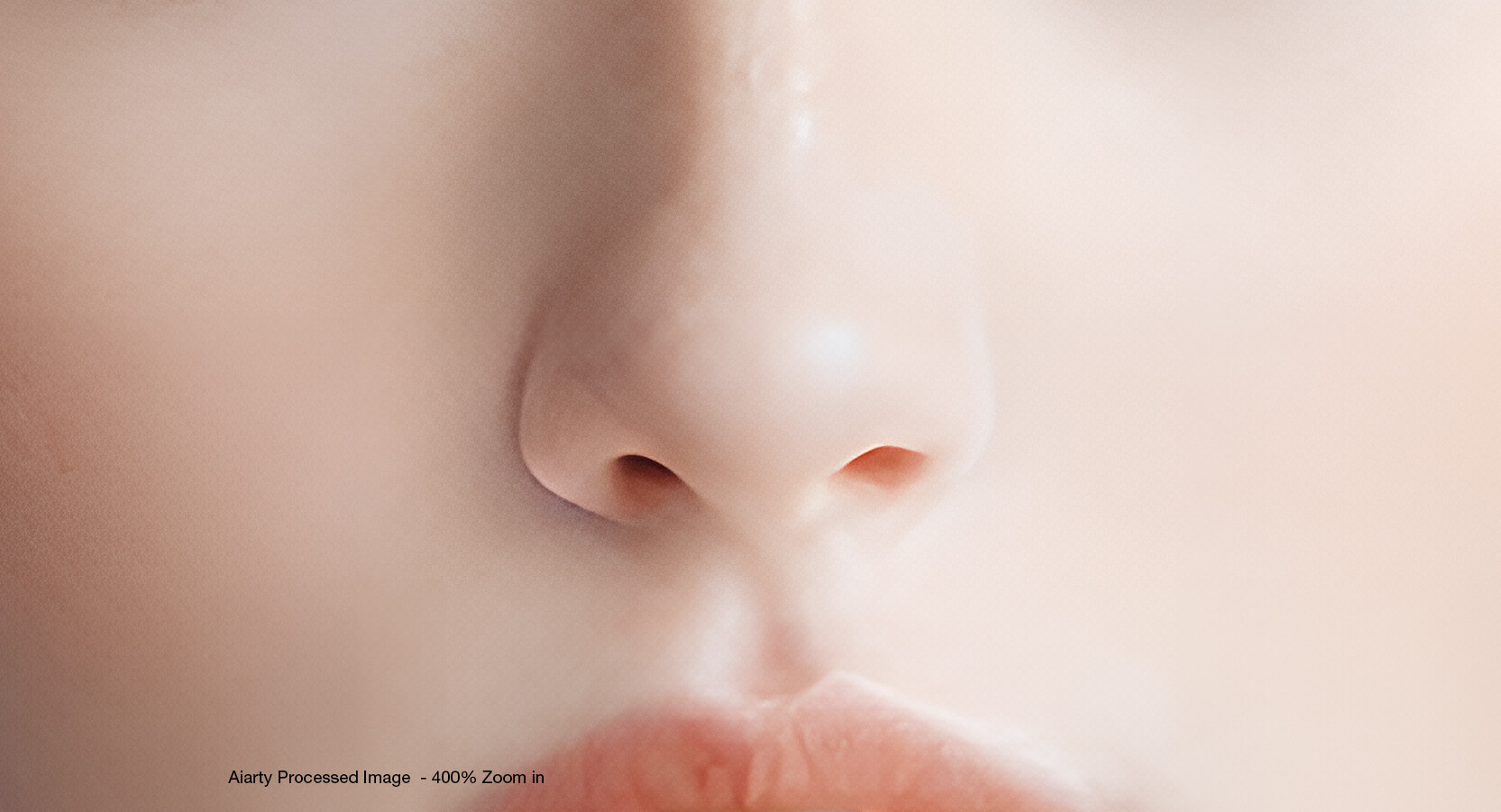
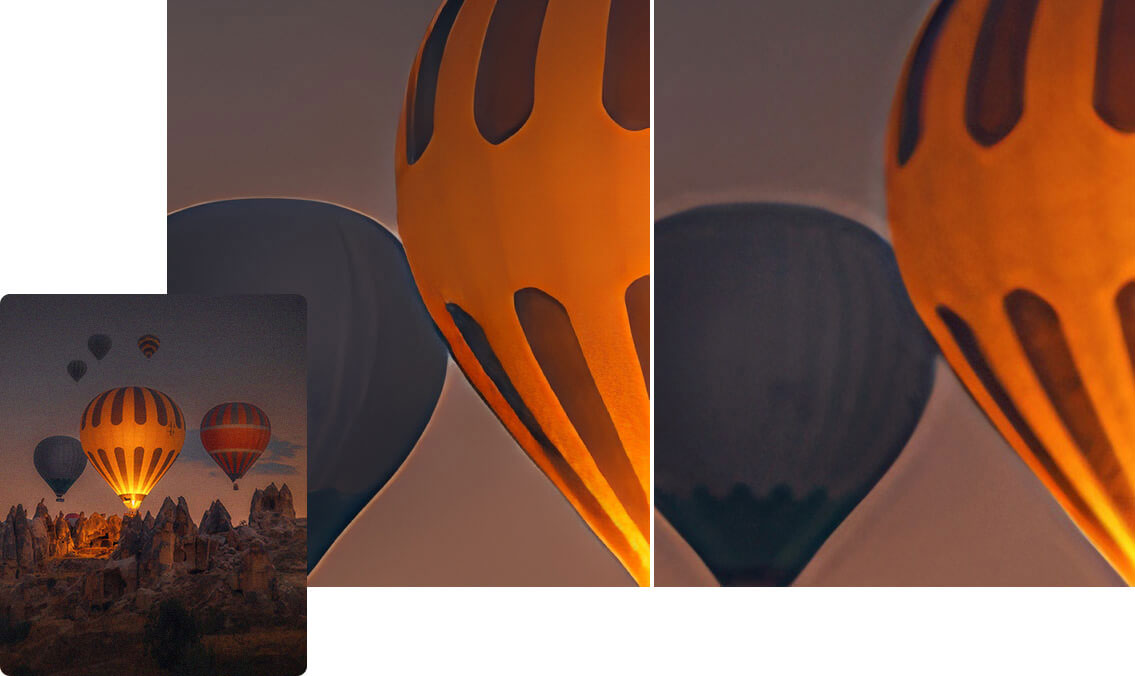
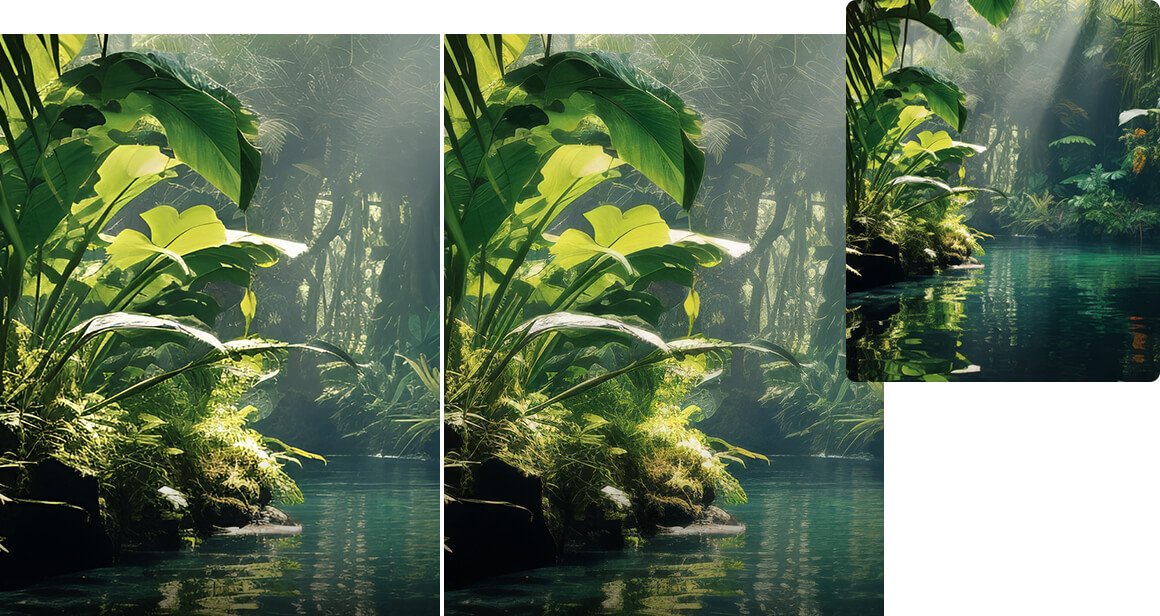
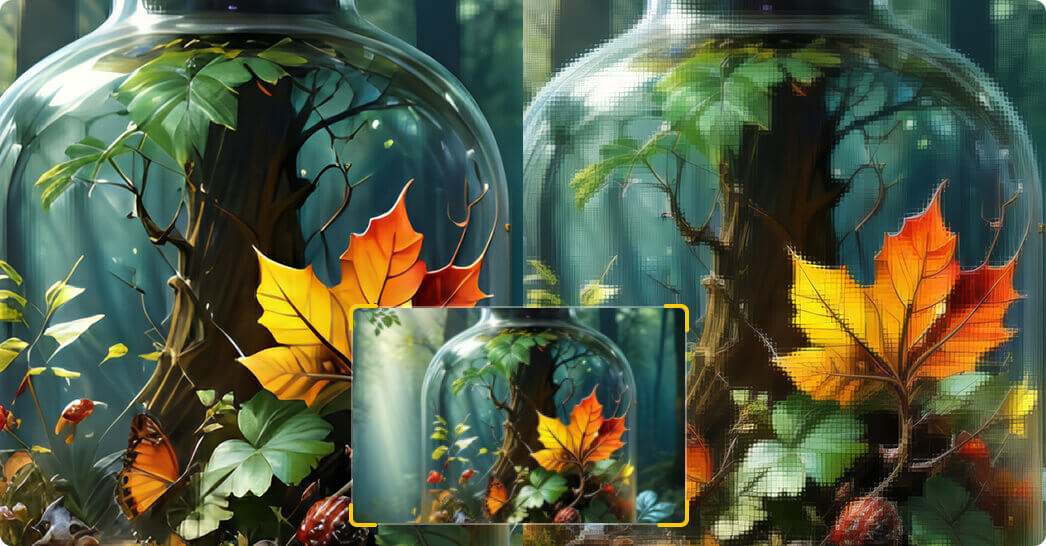
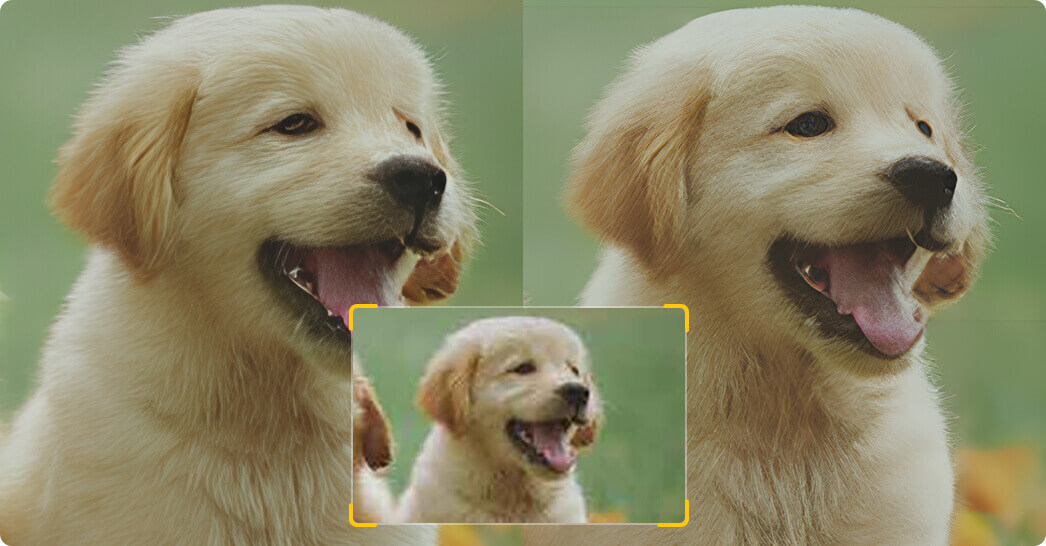
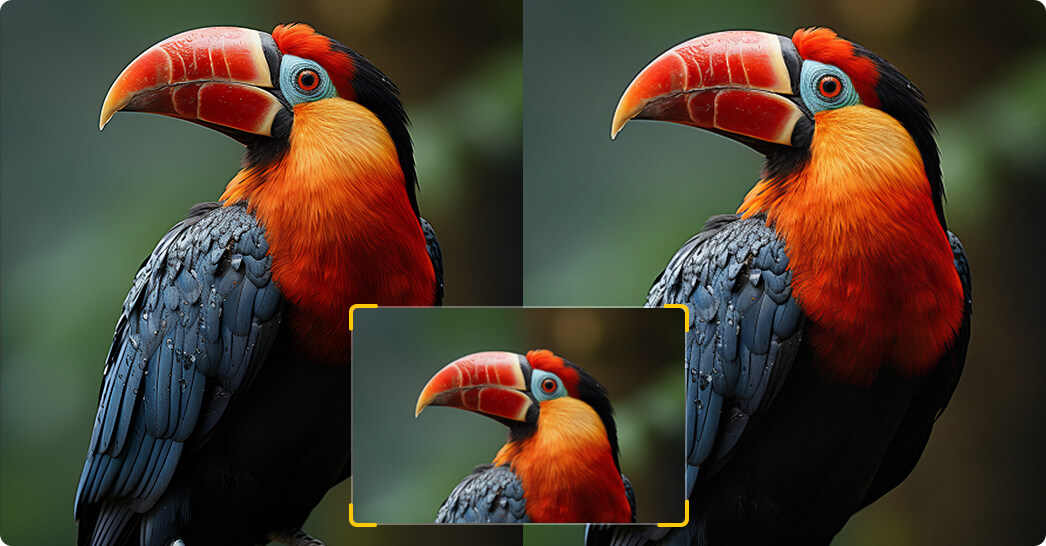
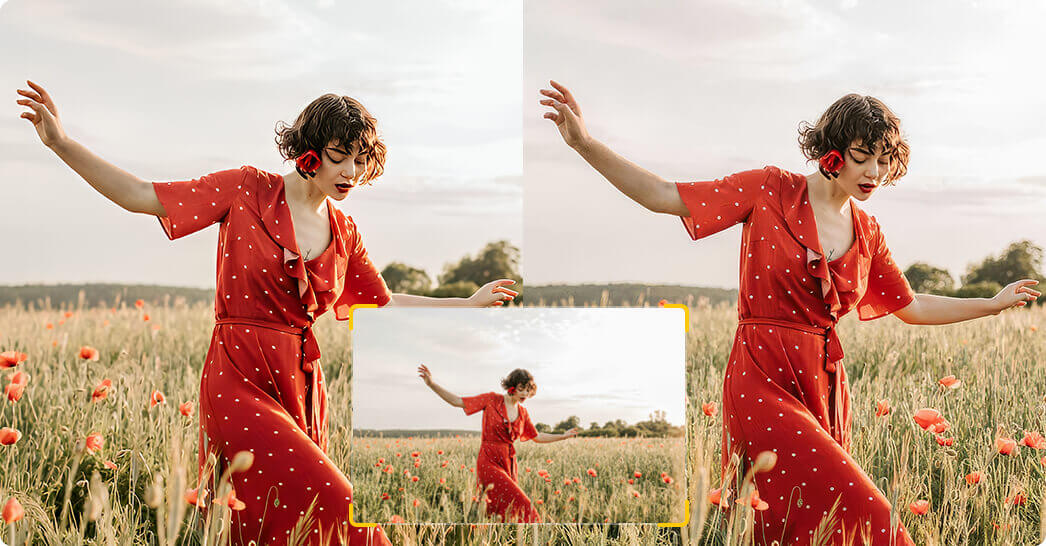
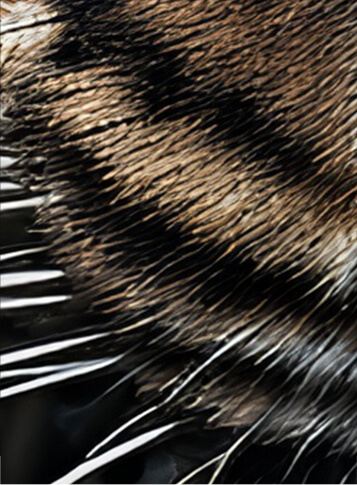
Aiarty 4X Enhanced
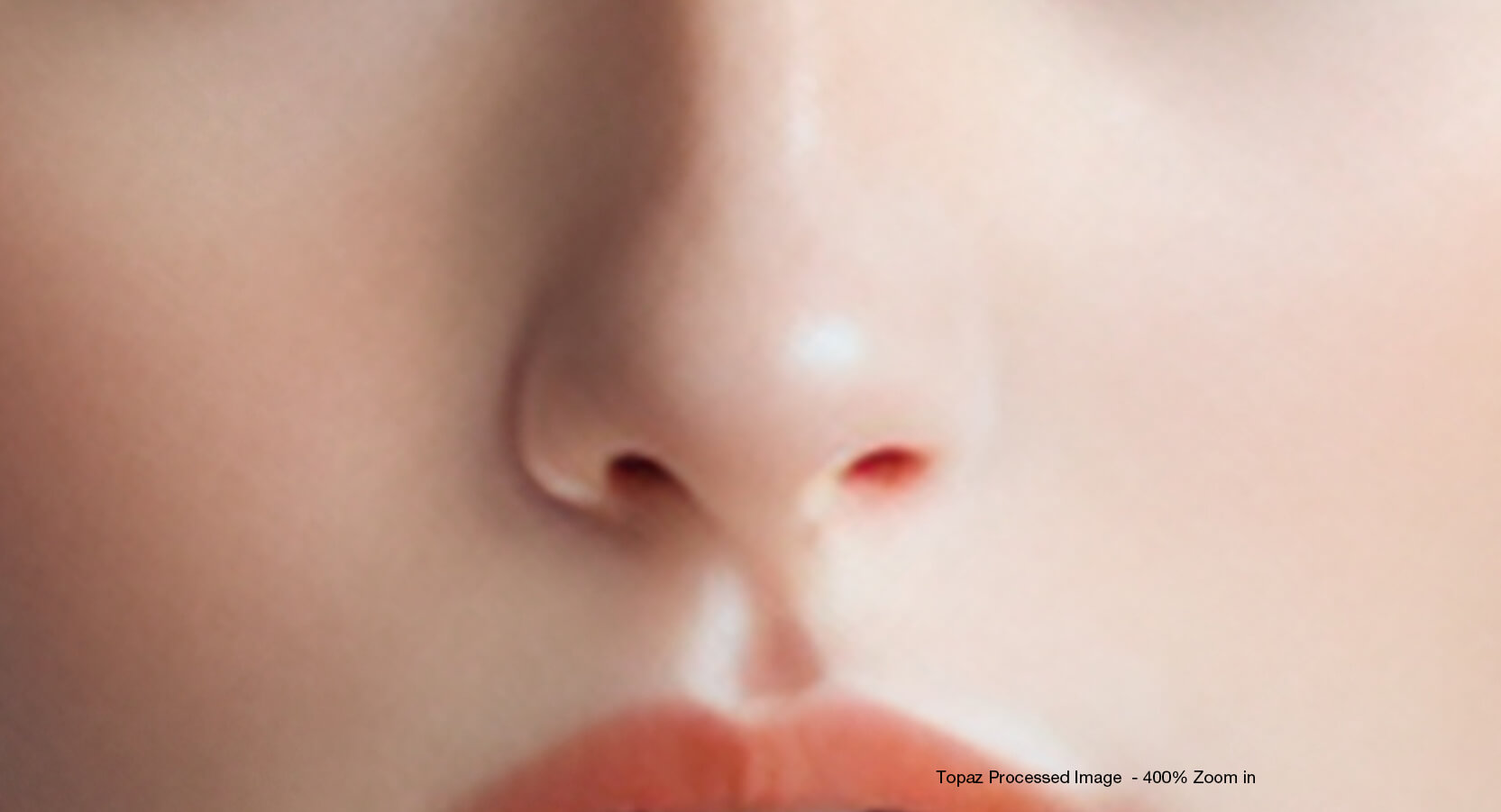
Topaz 4X Enhanced
Test Environment: Windows 10, Intel® Core i7-13700K, 32GB RAM, AMD RX 7600. Tested with Aiarty Image Enhancer
and Topaz Photo AI (previous generation); core AI logic similar, pricing changed.

Aiarty Image Enhancer vs Topaz Photo AI: Is Topaz Still Worth It?

Aiarty Image Enhancer and Topaz Photo AI are two popular AI photo enhancement tools for upscaling, denoising, deblurring, and detail recovery. Since Topaz Photo AI moved to a subscription-based model, many users are re-evaluating whether it still offers the best value. We tested both tools side by side to compare image quality, speed, workflow, and overall user experience.
Short Answer: Aiarty offers a faster workflow, simpler experience, and better long-term value for most users. Topaz Photo AI provides more advanced controls and stronger customization, but at a higher cost. The tests below reveal where each tool has the advantage.
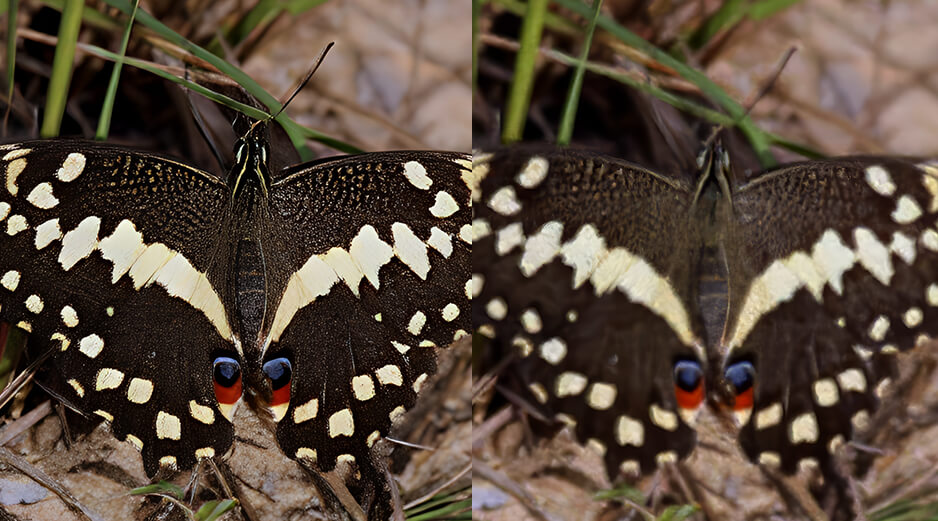
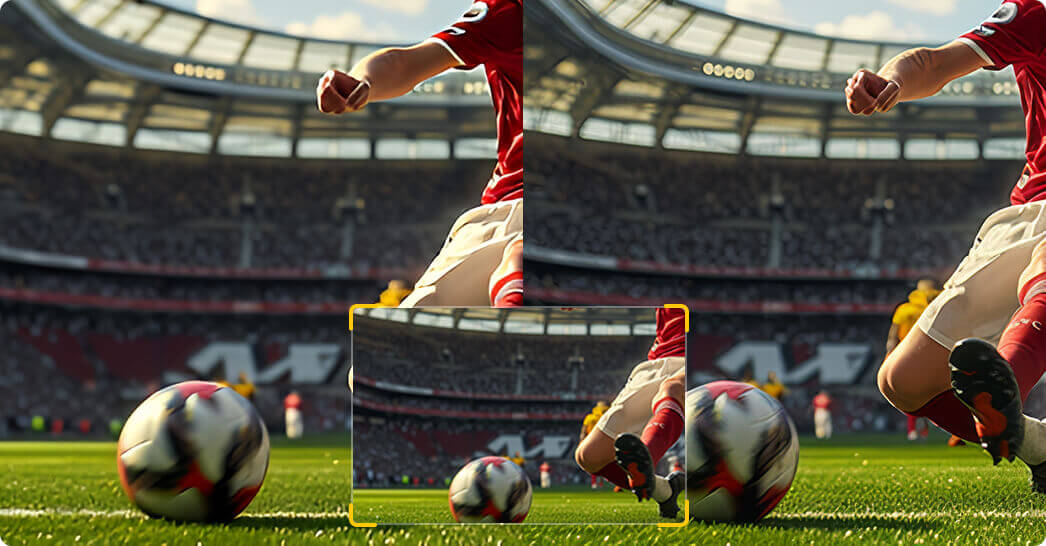
Aiarty Enhanced
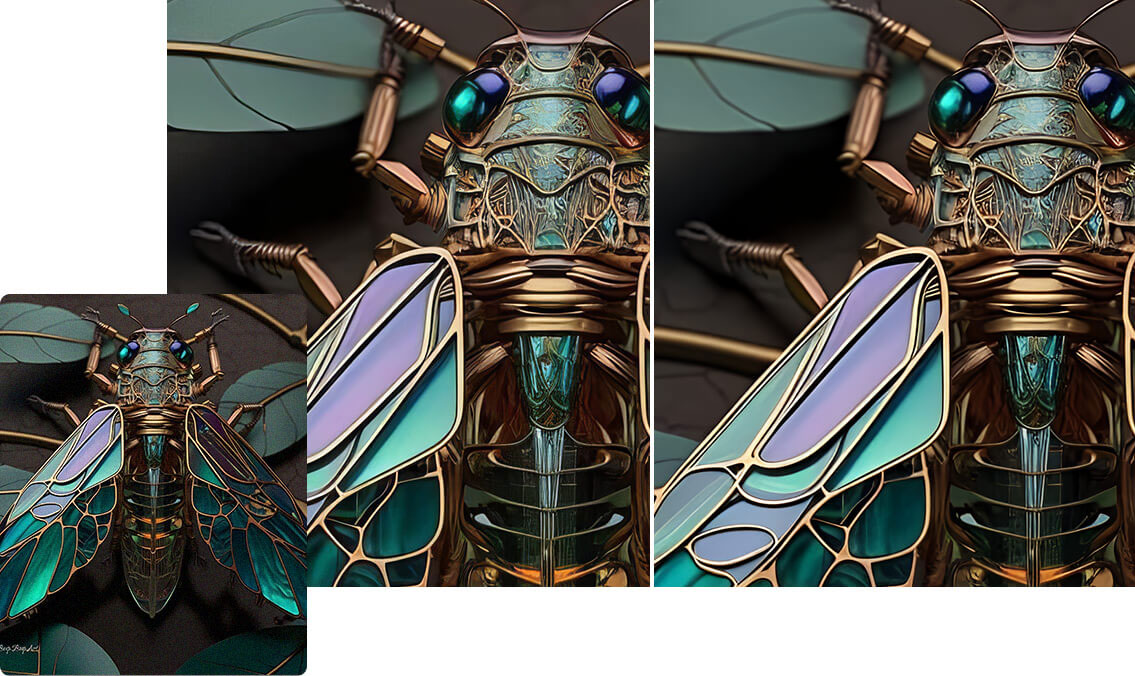
Upscaling by 2x, More-detail GAN V2 AI model
Topaz Enhanced
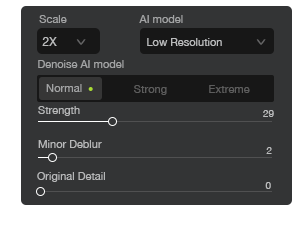
Upscale: Scale 2x, Low Resolution AI model 78% 25%
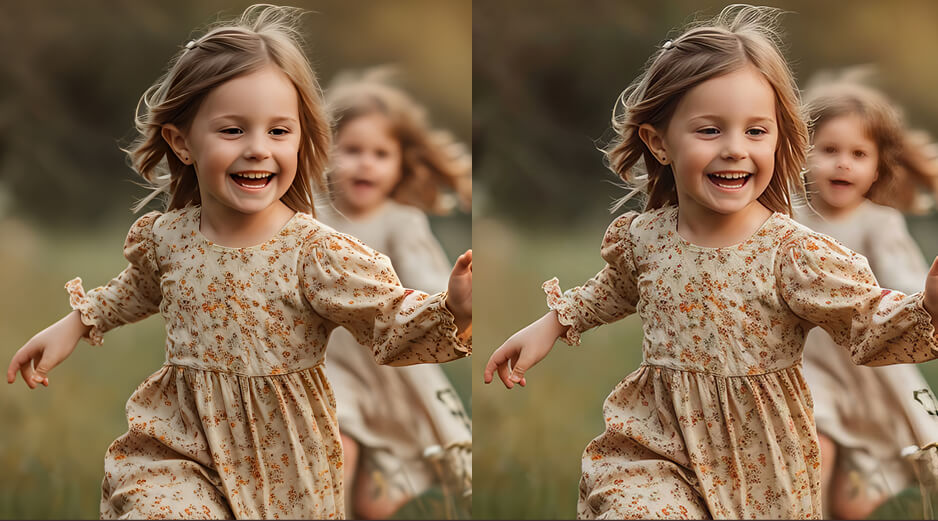
Aiarty Enhanced
Upscaling by 2x, More-detail GAN V2 AI model
Topaz Enhanced
Upscale: Scale 2x, Low Resolution AI model 63% 28%
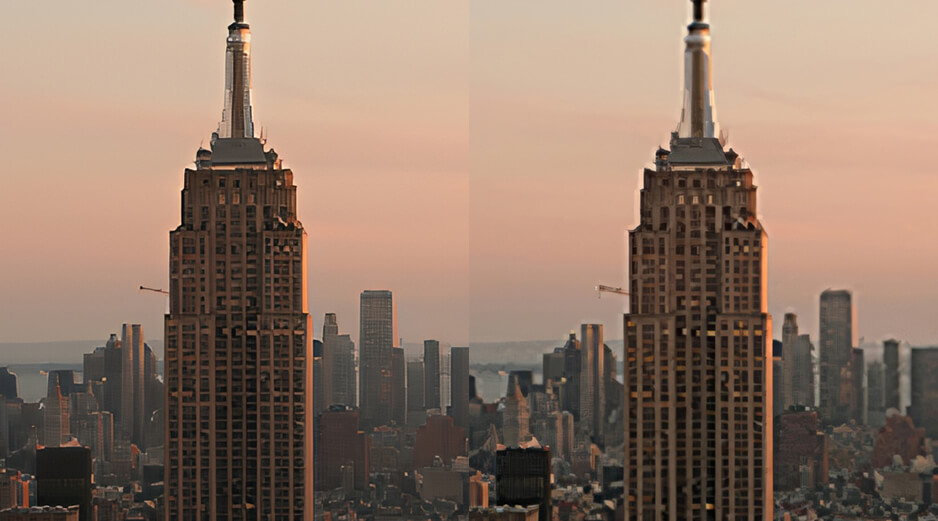
Aiarty Enhanced
Upscaling by 2x, More-detail GAN V2 AI model
Topaz Enhanced
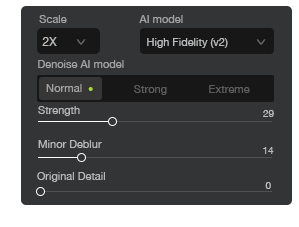
Upscale: Scale 2x, High Fedility (v2) AI model 84% 55% 22%,
Denoise: Strong AI model, 28% 8% 0%
Aiarty Enhanced
Upscaling by 2x, More-detail GAN V2 AI model
Topaz Enhanced
Upscale: Scale 2x, High Fedility (v2) AI model 13% 36% 1%
Face recovery: 2 faces selected 80%
Aiarty Enhanced
Upscaling by 2x, More-detail GAN V2 AI model
Topaz Enhanced
Upscale: Scale 2x, Low Resolution AI model 71% 30%
Not Just Preserving Originals
But Creating New Lifelike Details & Textures
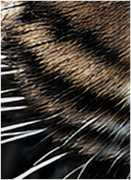
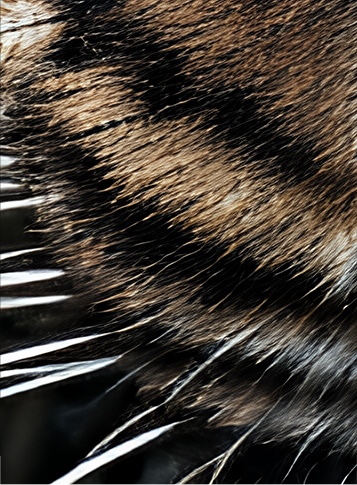
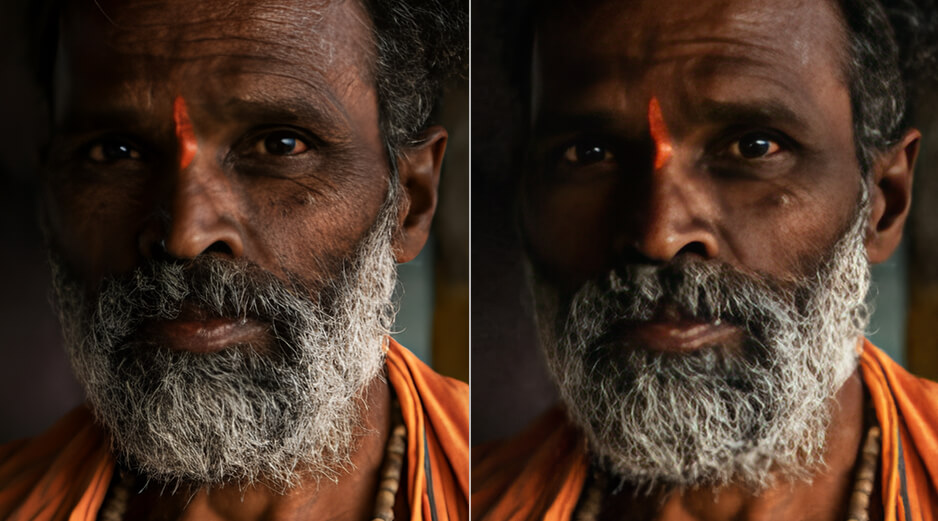
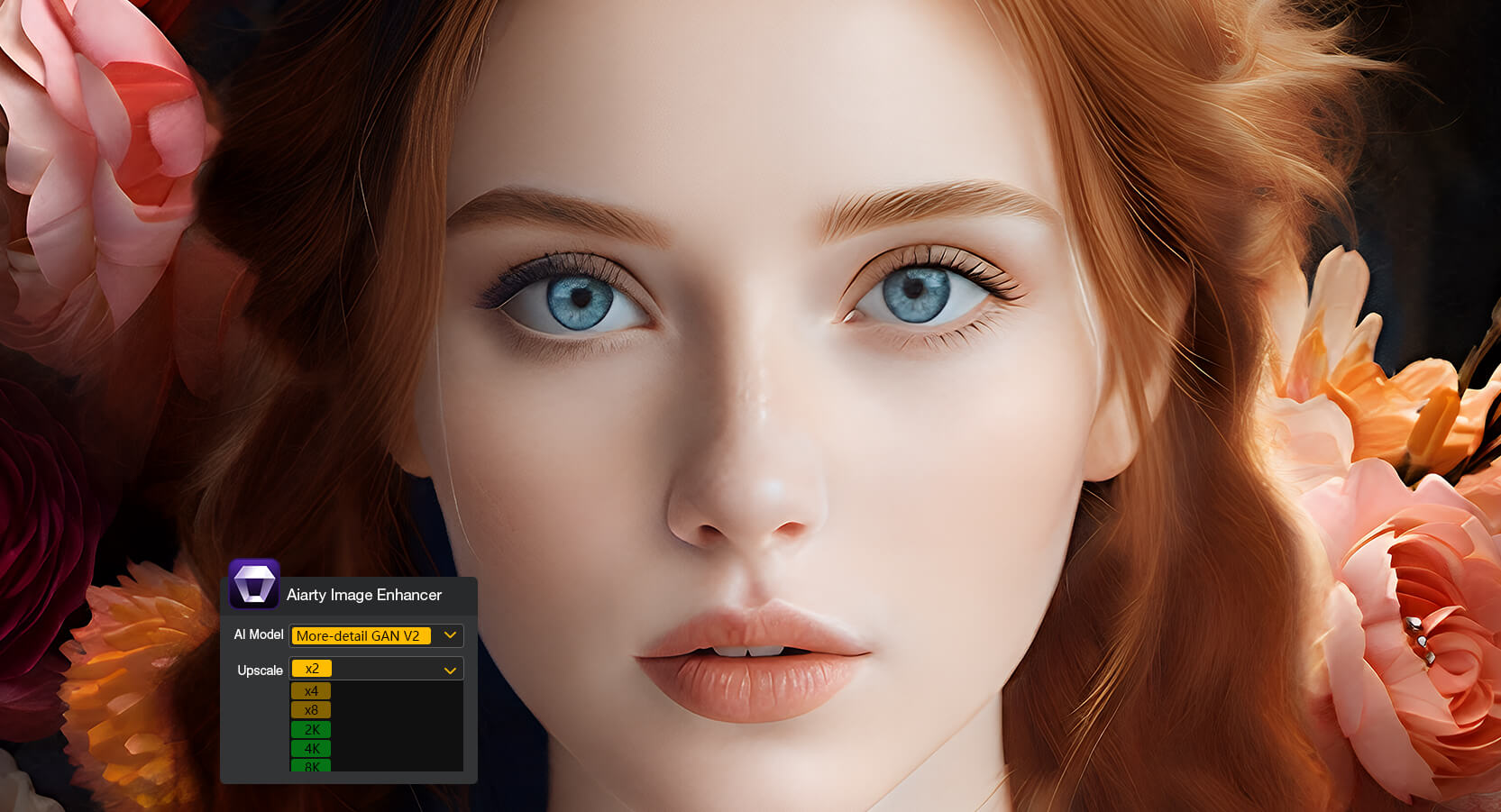
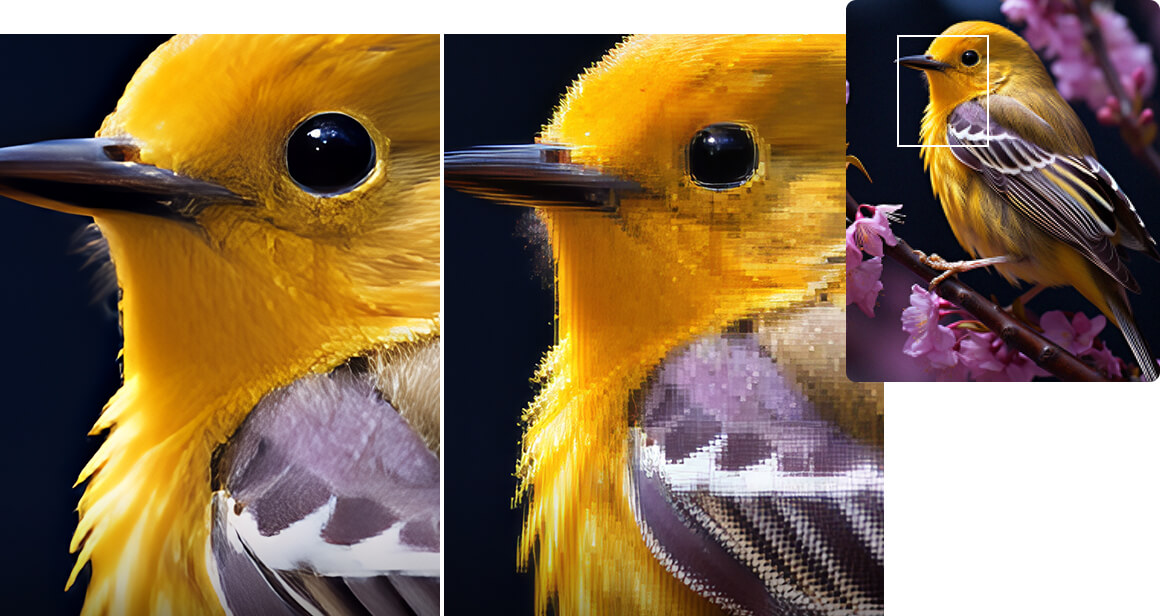
Aiarty photo enhancement excels in preserving intricate details and generating new ones intelligently, from delicate lines of skin & hair to the subtle textures of freckles, pores, and feathers.
Minimize Detail Changes
But Struggles with FaceAI & Complex Textures
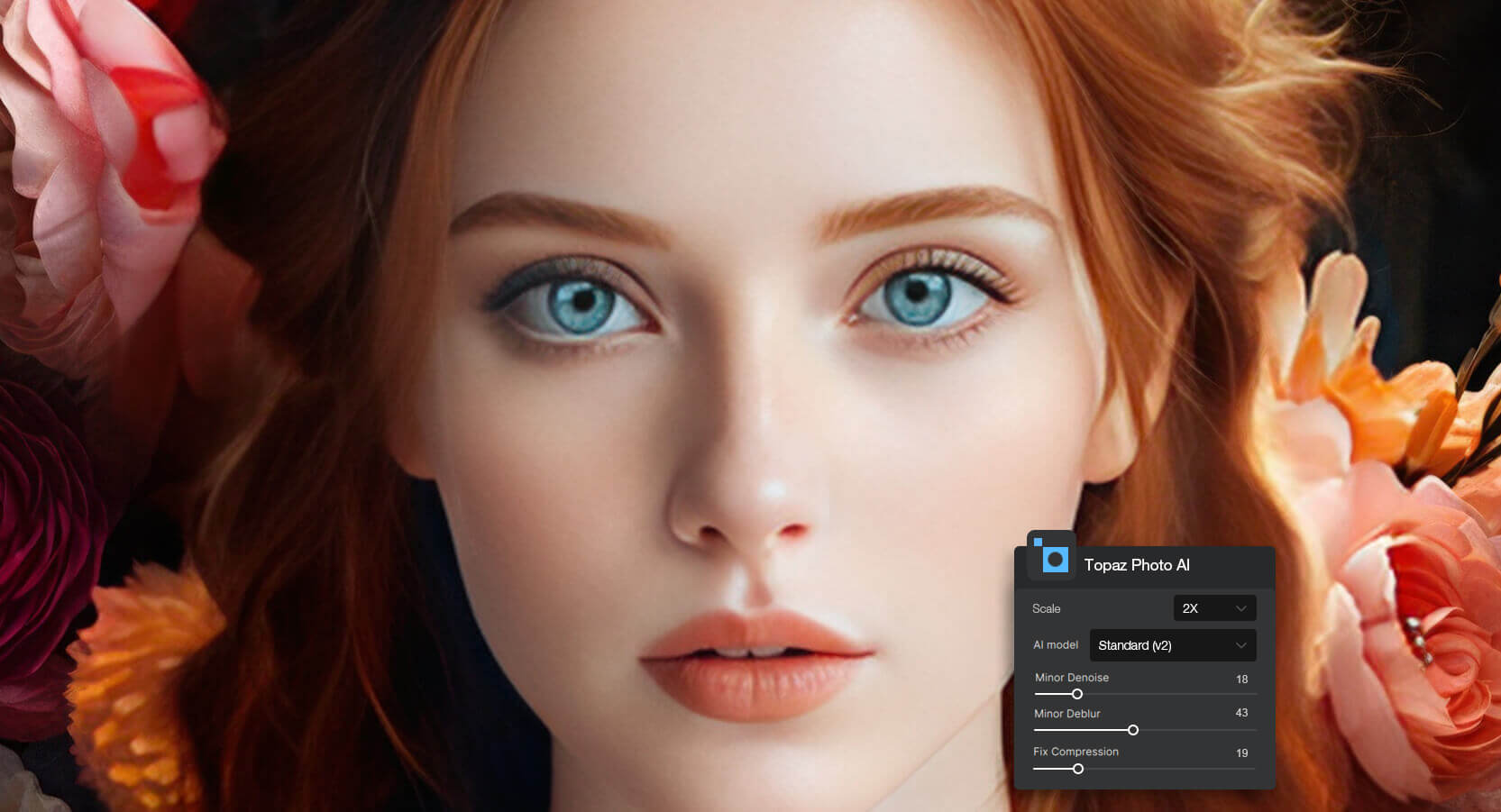
Topaz preserves the authentic capture details and minimally changes details. While inappropriate face recovery can result in blurred facial features, missing wrinkles and freckles.

Detail Comparison: Which Produces More Natural Image Details?

Detail generation is where AI image enhancers truly separate from each other. It’s not just about making an image sharper—it’s about whether the details look natural or artificially overprocessed. In our portrait test, Aiarty Image Enhancer and Topaz Photo AI show clear differences in areas like eyes, skin, and hair. Some results look cleaner and more natural, while others appear sharper but slightly artificial. Let’s take a closer look at how each tool handles these critical areas.
Face
Eyes
Hair
Skin
Before After
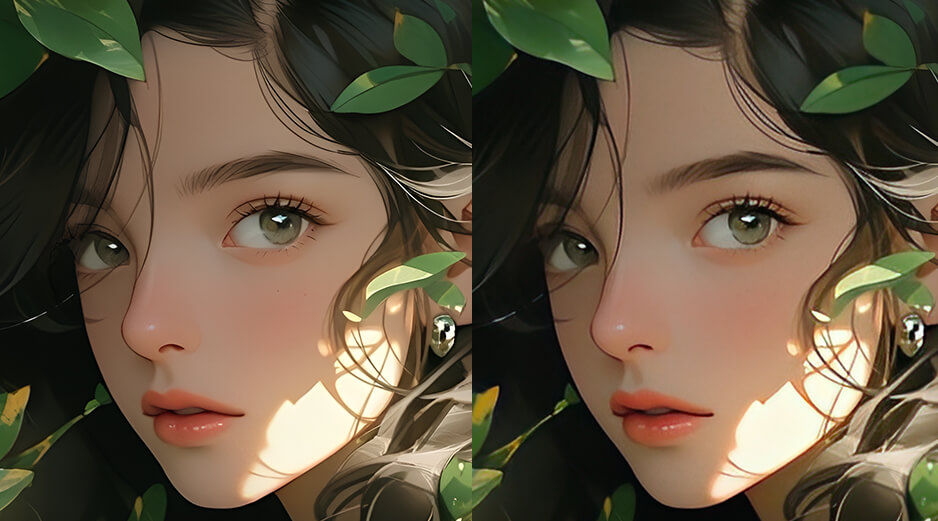
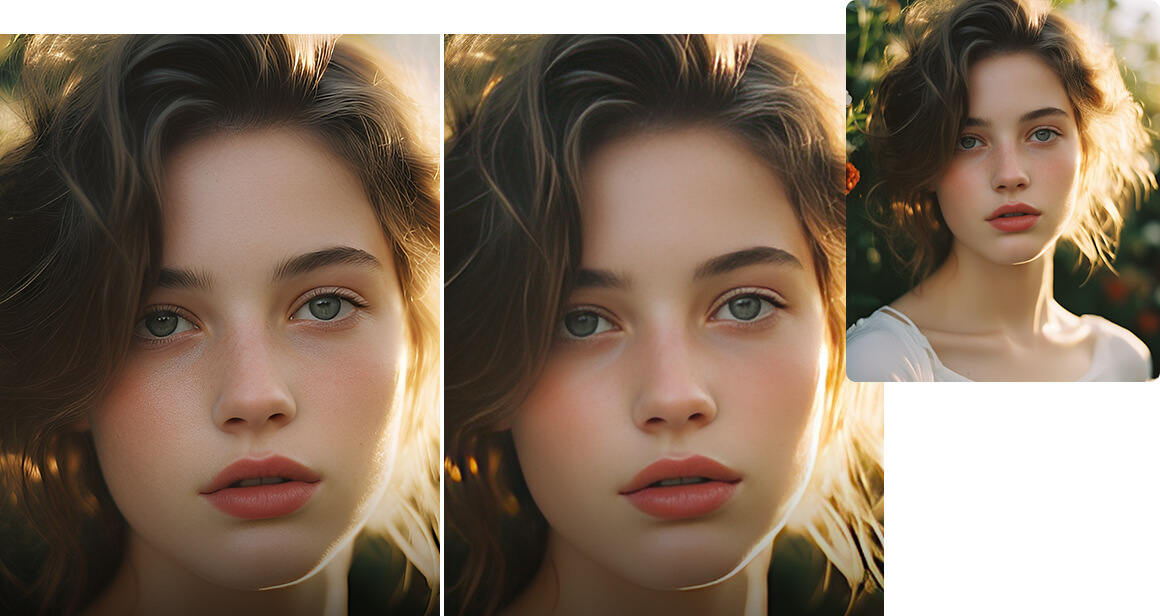
Facial Detail Comparison: Aiarty Image Enhancer vs Topaz Photo AI Aiarty significantly outperforms Topaz in enhancing facial clarity. It exhibits a noticeably sharper and more defined facial structure compared to those enhanced by Topaz. The face of the image processed by Topaz looks blurred, as its auto face detection can blur images due to over-enhancement.
Before After
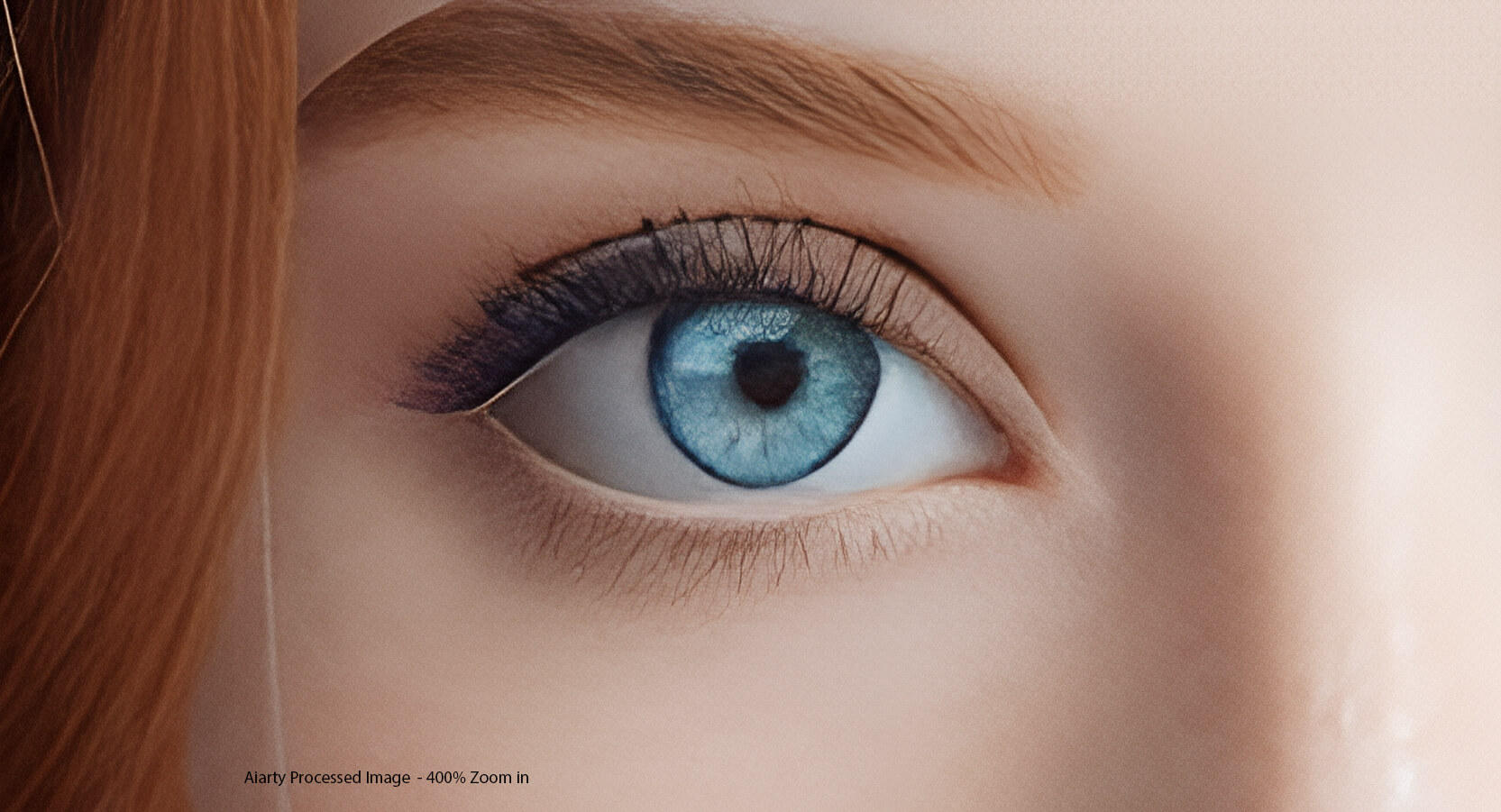
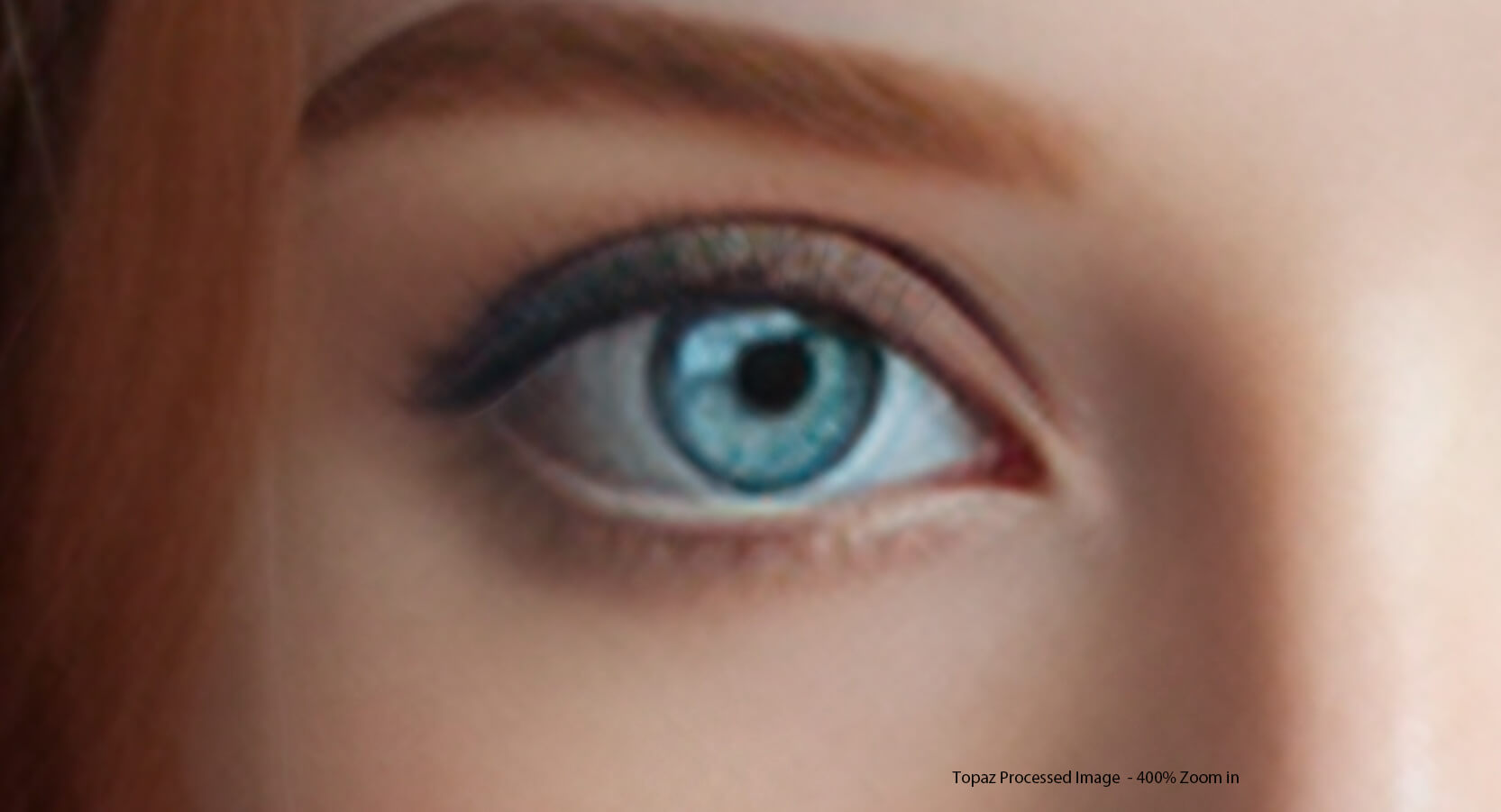
Eye Detail Comparison: Aiarty vs Topaz in 4X Zoom Test Zooming in 4 times on the Aiarty-enhanced image reveals remarkably clear and sharp eyes, pupils and iris. Individual eyelashes are crisply visible, showing its impressive ability to preserve fine details. Wheras the eyes processed by Topaz lack sharpness and clarity. Details such as eye contours, pupils, and eyelashes are blurred, resulting in an overall hazy appearance.
Before After
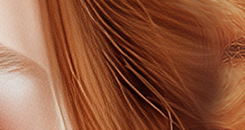
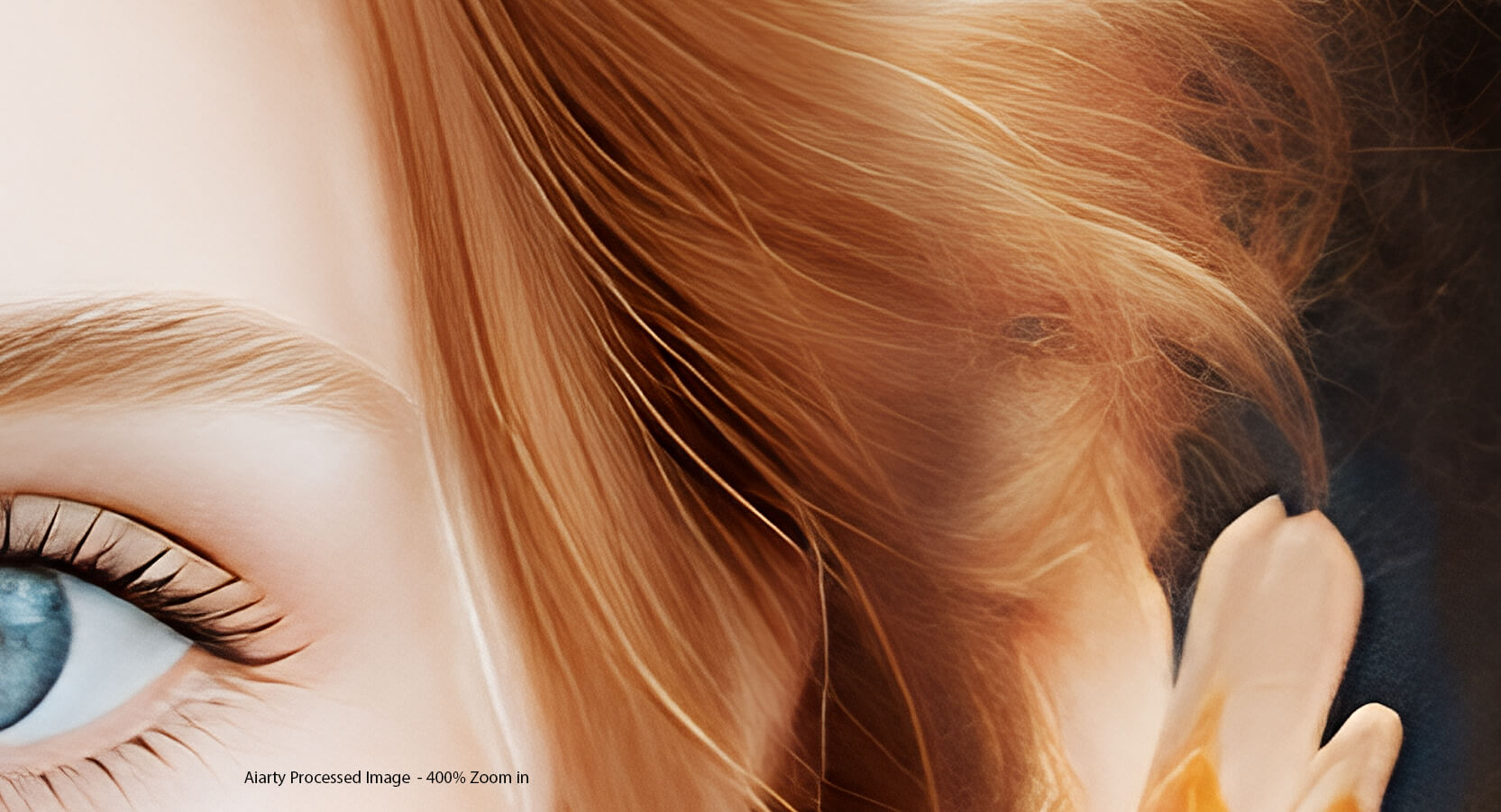
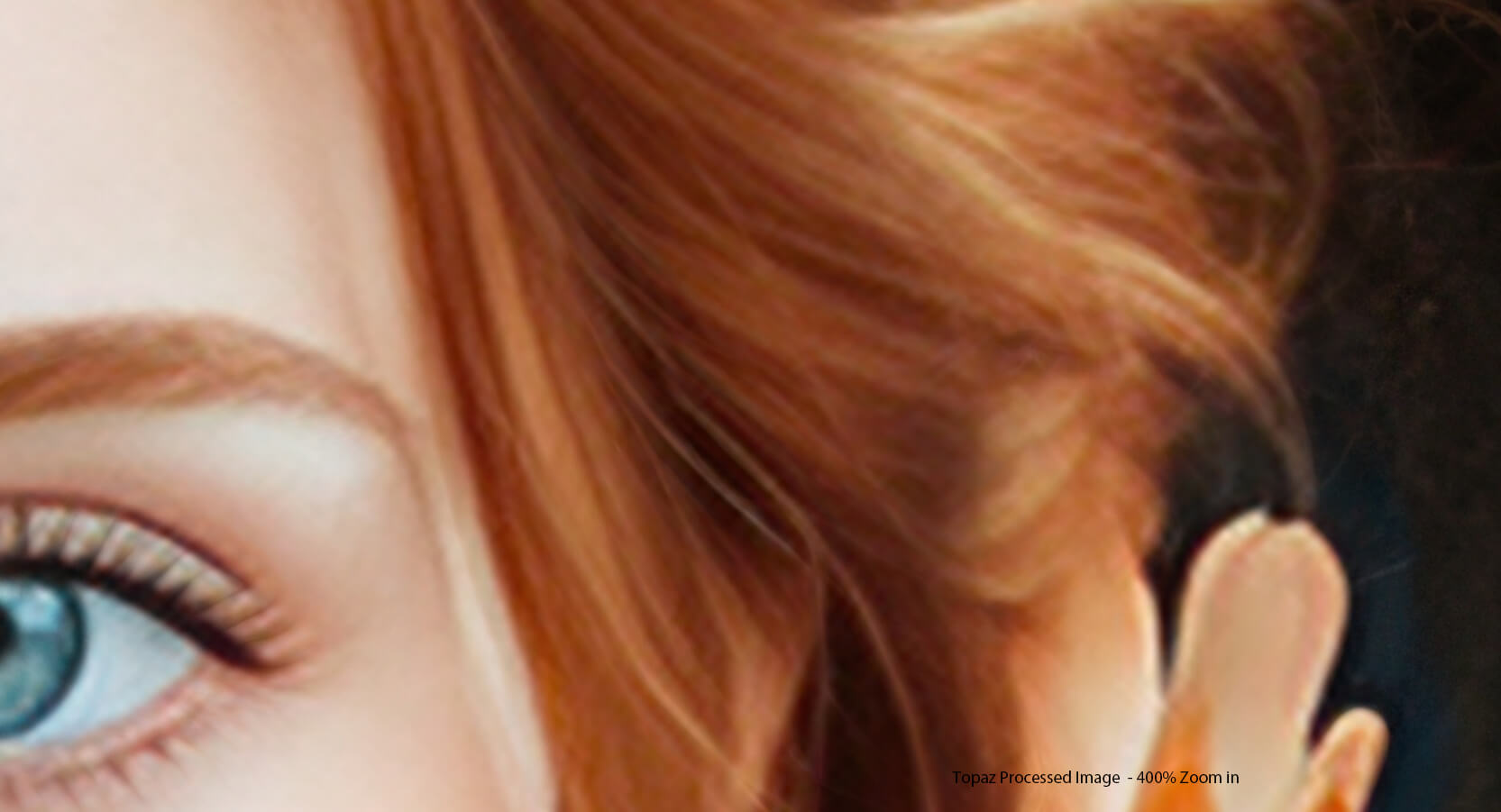
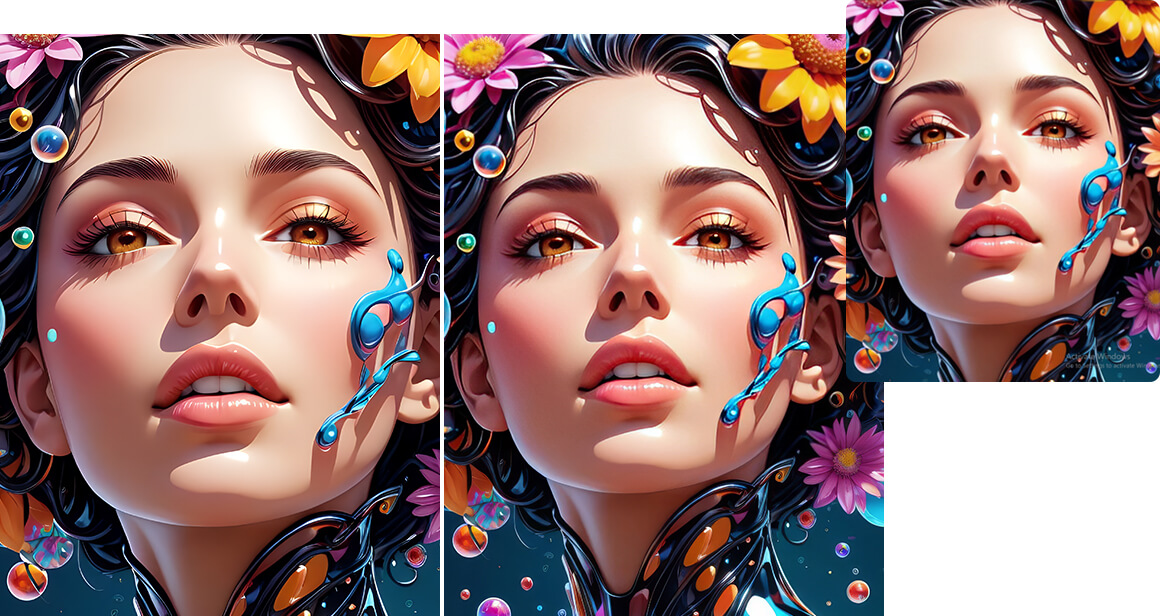
Hair Texture Result: Aiarty vs Topaz in Fine Detail Rendering Aiarty excels at maintaining hair texture, resulting in natural-looking strands. However, in certain cases, over-processing can lead to an exaggerated sharpness or an unnatural appearance. Topaz has a smoothed-over appearance of the hair. It reduces noise but sacrifices texture, losing the natural definition and detail of original image.
Before After
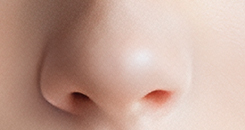
Skin Detail Comparison: Aiarty vs Topaz in Texture Preservation Aiarty produces more natural-looking skin tones with subtle variations. It also preserves skin texture effectively,like pores, wrinkles, and acne marks, avoiding an overly smoothed appearance. Although Topaz can enhance skin smoothness, it may over-smooth the skin, leading to a loss of fine details such as pores and freckles. The result can sometimes appear overly processed or artificial.

review stars Robert Langworthy
“I having now used the new Face Restoration on Aiarty 3.8, I have to say it is fantastic. Having done a tight crop on a a relatively crappy phone pic with low resolution, and then upscaling it X4 and using
the F/R, the results were way beyond my expectations.”

Noise Reduction: Which Handles Image Noise More Effectively?

Noise, appearing as grain or speckle, can significantly degrade an image's clarity and sharpness. It can arise in low-light photography, high-ISO settings, image compression, and post-processing. Both Aiarty and Topaz offer different noise reduction treatments for various noise scenarios. For instance, Aiarty's Real-Photo model is especially skilled at differentiating between details and noise, removing noise while restoring details. Topaz provides noise reduction models with varying strengths, from normal to extreme, to accommodate different noise levels. Now, let's examine whether they can differentiate noise from image details while preventing image degradation.
Low-light
High ISO settings
Post processing
Compression noise
Denoised by Aiarty
Denoised by Topaz
Denoised by Aiarty
Denoised by Topaz
Denoised by Aiarty
Denoised by Topaz
Denoised by Aiarty
Denoised by Topaz
Not only Denoise
but also reconstruct
Detail as Noise
Over-smooth, losing detail
Ethan Caldwell
Aiarty excels at subtly removing noise introduced by low-light conditions, post-processing, and compression, while preserving details and avoiding artifacts or halation. It can also handle high-ISO noise but may occasionally introduce excessive sharpening.
Topaz tends to over-denoise in low-light conditions, resulting in the loss of original image details and a blotchy, distorted appearance. When dealing with high-ISO noise, the output can appear overly smoothed. While it's effective at reducing noise introduced by post-processing and compression, there are occasional instances of incomplete noise removal.
“Aiarty removes noise cleanly and keeps detail. Topaz is more hit-or-miss for me, it either misses noise or eats into fine detail, so I often have to adjust it manually.”

Upscaling Quality: Which Delivers Higher-Quality Upscaling?

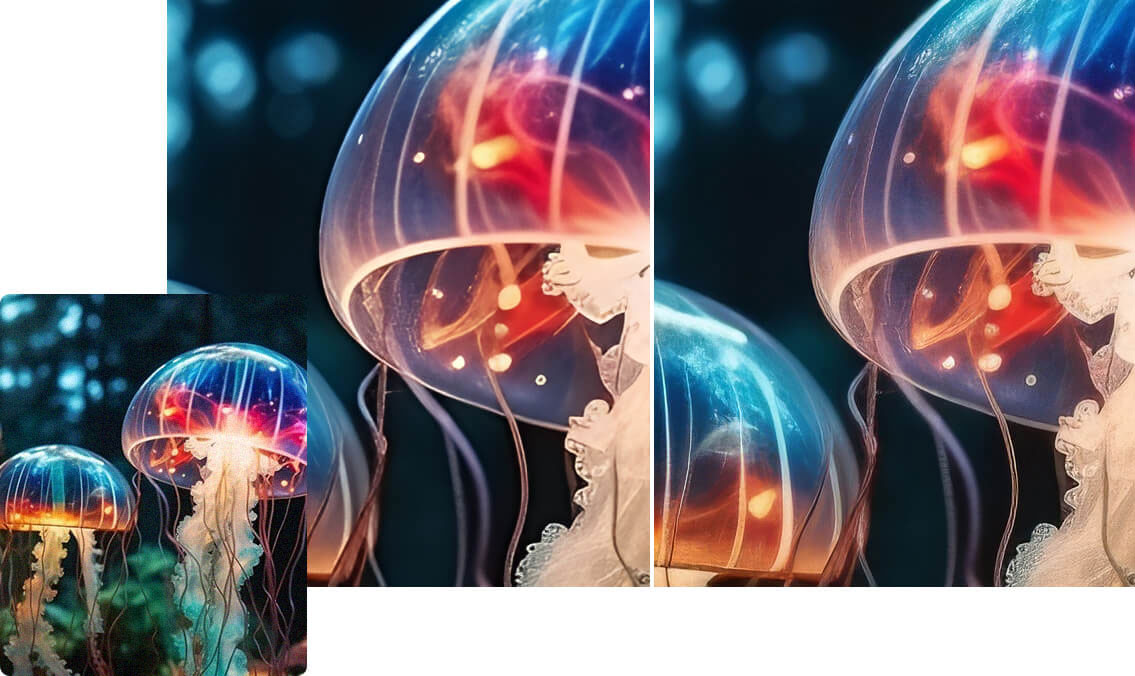
Unlike traditional AI image upscaling software that introduces artifacts like pixelation and noise when enlarging images, Aiarty and Topaz offer impressive upscaling capabilities without such issues, albeit with different characteristics. We will conduct a comprehensive comparison, examining the quality of the upscaled images, using both 2x, 4K resolutions and the maximum magnification of each tool as benchmarks. Let's test to see if both software can intelligently fill in missing pixels, resulting in more natural and refined image upscaling.
Aiarty Upscaling by 8X
Topaz Upscaling by 6X
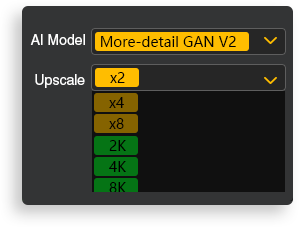
Aiarty settings: Upscaling by 8X, More-detail GAN V2 AI model
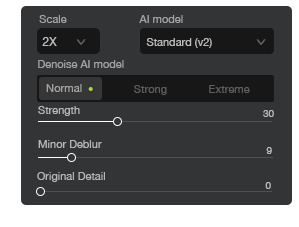
Topaz settings: Scale 6X, Standard (v2) AI model, Minor Denoise 10%, Minor Deblur 45%, Fix Compression 1%
Aiarty Upscaling by 2X
Topaz Upscaling by 2X
Aiarty settings: Upscaling by 2X, More-detail GAN V2 AI model
Topaz settings: Scale 2X, High Fidelity (v2) AI model, Minor Denoise 16%, Minor Deblur 36%, Fix Compression 1%
Aiarty Upscaling by 8X
Topaz Upscaling by 6X
Aiarty settings: Upscaling by 8X, More-detail GAN V2 AI model
Topaz settings: Scale 6X, Standard (v2) AI model, Minor Denoise 13%, Minor Deblur 33%, Fix Compression 45%
Aiarty Upscaling to 4K
Topaz Upscaling to 4K
Aiarty settings: Upscaling to 4K, More-detail GAN V2 AI model
Topaz settings: Scale to 4096PX x 2295PX, Standard (v2) AI model, Minor Denoise 32%, Minor Deblur 23%, Fix Compression 31%
Up to 8X upscaling
Pros:
  • Upscale with 2x/4x/8x/4K/8K presets & customize up to 32K.
  • Increase image DPI to 300
  • Generate details and fill in missing pixels.
  • Upscale images without pixelation or artifacts.
  • 4-in-1 auto process to upscale, denoise, deblur and dejpeg.
  • Batch upscaling without burderning CPU
  • Keep the prompt of the original image after upscaling.
Cons:
  • No cropping image size option.
Up to 6X upscaling
Pros:
  • Custom zoom, allowing entering width and height values manually.
  • Crop image size for various scenes, like print on demand, social media and more.
  • Allow setting size in pixels, inches, or cm, for sides or DPI.
  • Provide controls to reduce noise, blurring, and compression artifacts.
Cons:
  • No common resolution presets, like 2K, 4K, 8K.

review starsDaniel Mercer
“I like Aiarty for upscaling, it keeps things natural even at very high res. Topaz sometimes goes too far with details, and faces or small textures don’t always stay true to the original.”

Blur & Artifact Fix: Which Removes Them More Cleanly?

Blurry photos can stem from various issues, including camera shake, subject movement, out-of-focus shots, motion blur, or even imperfections arising from AI image generation. Both Aiarty and Topaz can make images appear sharper, clearer, and can improve pixelated, corrupted, and blurry photos. Aiarty excels at removing AI-generated image blur, preserving details, and handling JPEG artifacts, but struggles with motion blur. Topaz can handle slightly motion-blurred images and can effectively reduce out-of-focus blur. It's important to note that the severity of the blur and the type of image can significantly impact the performance of both tools.
Motion blur
Al-generated Image Blur
Compression Blur
Lens Blur
JPEG Pixelation
Aiarty Enhanced 2X
Topaz Enhanced 2X
Aiarty settings: Upscaling by 2X, More-detail GAN V2 AI model
Topaz settings: Upscale: Scale 2x, Standard (v2) AI model, Minor Denoise 27%, Minor Deblur 39%, Fix Compression 1%;
Sharpen: Motion Blur AI model, Strength 20% Minor Denoise 27%
Aiarty Enhanced 2X
Topaz Enhanced 2X
Aiarty settings: Upscaling by 2X, More-detail GAN V2 AI model
Topaz settings: Upscale: Scale 2x, High Fidelity (v2) AI model, Minor Denoise 4%, Minor Deblur 34%, Fix Compression 1%;
Sharpen: Standard AI model, Strength 40% Minor Denoise 6%
Aiarty Enhanced 2X
Topaz Enhanced 2X
Aiarty settings: Upscaling by 2X, More-detail GAN V2 AI model
Topaz settings: Upscale: Scale 2x, Standard (v2) AI model, Minor Denoise 37%, Minor Deblur 75%, Fix Compression 79%;
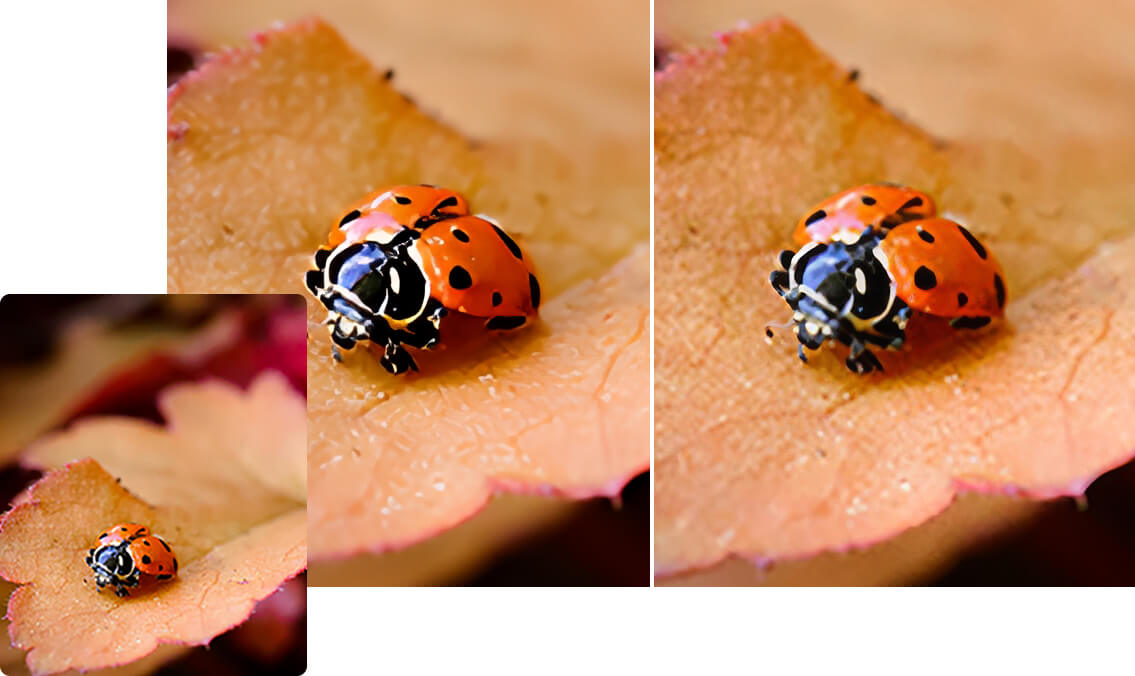
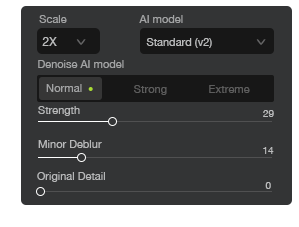
Denoise: Strong AI model, Strength 36%, Minor Deblur 14%, Original Detail 0%
Aiarty Enhanced 2X
Topaz Enhanced 2X
Aiarty settings: Upscaling by 2X, More-detail GAN V2 AI model
Topaz settings: Upscale: Scale 2x, Low Resolution AI model, Minor Denoise 61%, Minor Deblur 41%;
Sharpen: Len Blur AI model, Strength 3%, Minor Denoise 25%
Aiarty Enhanced 2X
Topaz Enhanced 2X
Aiarty settings: Upscaling by 2X, More-detail GAN V2 AI model
Topaz settings: Upscale: Scale 2x, High Fidelity (v2) AI model, Minor Denoise 44%, Minor Deblur 59%, Fix Compression 50%;
Sharpen: Strong AI model, Strength 39%; Face Recovery 80%
VS
One-click to fix
all image issues
Aiarty's 4-in-1 automated processing seamlessly tackles a range of image quality issues with a single click. It effectively addresses common problems like blurriness, pixelation, artifacts, and blockiness, restoring clarity and enhancing the overall visual appeal of your photos.
Add Enhancements
for specific images
While Topaz Autopilot offers image enhancements like sharpening, denoising, and face repair, its automated approach may not always deliver accurate or optimal results. Testing has revealed instances of imprecise adjustments and potential over-processing.

review stars Liam Sanders
Aiarty Image Enhancer clears up blurry and blocky photos in one click, making them look sharp and clean. Topaz Autopilot helps, but results can be inconsistent, sometimes over-sharpening or missing details.

AI Models: More Options vs Simplicity in Practice

Less is more—rich AI models don’t always mean better results. Topaz Photo AI offers multiple models for tasks like Wonder 2 and Recover 3 for Fidelity, giving more control but also adding complexity. However, switching models and adjusting settings often requires experience, and results can vary. In contrast, Aiarty Image Enhancer uses a simplified system focused on automation and consistency, delivering more predictable results without manual tuning.

Aiarty Image Enhancer

Topaz Photo AI

3 Models
for Any Image
5 Mins
Download All Models
4-in-1
Auto Process
6.78 Million
Images for Training
Quality Varys
by Models and Settings
Autopilot Imprecise
Model Chosen
Technics Required
for Parameter Adjustments
40 Mins Download
Expert-oriented Models

review stars Noah Parker - “Love how Aiarty gives hints for picking AI models—makes it super simple. Topaz? Autopilot can help, but manual settings are a pain and results vary.”

Aiarty vs Topaz: Speed Performance in Real-World Processing

Speed is an important factor in AI image enhancement, especially for users who work with large batches of images or need fast turnaround times. In real-world tests, Aiarty Image Enhancer focuses on fast and efficient processing, making it well-suited for batch workflows and everyday use. Topaz Photo AI prioritizes quality and precision, but its more complex AI models and additional processing steps typically result in longer rendering times.
2 mins /
100 images
  • 1024P by 1X4.15 secs
  • 1024P by 2X6.09 secs
  • 1024P by 4X13.36 secs
  • 1024P to 4K15.30 secs
  • CPU::22%
  • GPU::89%
  • RAM::9.0GB 28%
8 mins /
100 images
  • 1024P by 1X6.35 secs
  • 1024P by 2X7.90 secs
  • 1024P by 4X10.74 secs
  • 1024P to 4X13.00 secs
  • CPU::30%
  • GPU::65%
  • RAM::15.6GB 49%
  • 4X faster
    batch processing
  • Higher
    GPU utilization
  • 20%+ lower
    RAM memory leaks
  • No
    crashes & glitches
Test Environment: Windows 10, 13th Gen Intel(R) Core(TM) i7-13700K ~3418Mhz, 32GB RAM,
Intel(R) UHD Graphics 770 and AMD Radeon RX 7600 Graphics

review stars Tanya - "Aiarty looks great! Much easier to understand than Topaz and makes my computer a lot less hot and dont look so blotchy!"

Minimum System Requirements

Aiarty Image Enhancer
Topaz Photo AI
Supported OS
Microsoft Windows 10 (x64) 1809 or higher
macOS Catalina 10.15 or higher
macOS Big Sur 11 or higher
Windows 10 or 11 (most updated version recommended)
macOS Big Sur 11 and higher
CPU
Any Intel or AMD processor with 64-bit support.
Any Intel processor
Apple Silicon processors incl. M1 (Pro/Max/Ultra), M2 (Pro/Max/Ultra), M3 (Pro/Max)
Intel OR AMD Processor, with AVX instructions, released after 2016
Intel with AVX instructions
Apple Silicon processors
RAM
8GB (Recommended: 16 GB or above)
4GB
8GB or above
16GB
16GB
8GB
GPU

DirectML hardware acceleration:

  • AMD - Radeon R9 390(X), Radeon R9 395X2 or higher
  • Intel - Haswell (4th-gen core) HD Integrated Graphics or higher
  • NVIDIA - GTX Titan X, GTX 980 Ti, GTX 980, GTX 970, GTX 960 or higher

Note: DirectML hardware acceleration requires graphics cards that support DirectX Feature Level 12.0 and above. To check your DirectX Feature Level, open Task Manager, click on the Performance tab, select GPU, and there you'll find the FL value.

TensorRT hardware acceleration:

  • • NVIDIA GPU Compute Capability: 6 or higher
  • • Compatible models: GeForce GTX 1050 or higher. For more details, please visit NVIDIA'S CUDA GPUs page. >>

Note: To utilize NVIDIA TensorRT hardware acceleration, ensure you have the latest software updates:

Any
/

Dedicated Graphics Card:

  • • NVIDIA GTX 980 Ti or higher, 6GB VRAM
  • • AMD Radeon 570 or higher, 6GB VRAM
  • • Intel ARC graphic card or higher, 6GB VRAM

Integrated Graphics Card: Intel UHD 600 Graphics or higher; Intel Iris Xe or higher; 16GB system RAM

/
/

Aiarty vs Topaz: Full Feature Breakdown

Aiarty lmage Enhancer
Lifetime license: $99 for 3 PCs/Macs
Optional annual plan: $75/year
Topaz Photo AI
Subscription only: from $17/mo ($199/yr)
* No longer available as a standalone lifetime purchase.
Best for:
Images that require natural detail enhancement and high-fidelity restoration, including low-quality photos and real-world images.
Professional workflows that require fine control and strong AI enhancement across landscapes, wildlife, and product photography.
Upscale:
High-quality AI upscaling up to 8x with preserved detail and textures
AI upscaling up to 6x with strong control and flexibility
Quality:
Produces natural-looking details with realistic rendering of skin, hair, fur, and textures, while maintaining high fidelity
Quality varies depending on model selection and settings, with results ranging from strong enhancement to more inconsistent detail preservation
Speed:
Optimized for fast AI processing and batch workflows, delivering quick results across different hardware configurations
Processing speed varies depending on model and hardware, with batch performance affected by system resources and configuration
Ease-of-use:
4-in-1 process: Deblur, Denoise, DeJPEG, Upscale in one-click
Overwhelming with various models and settings. Confusing for beginners.
Pros:
  • Affordable and beginner-friendly with a simple, intuitive interface
  • Optimized for fast processing across common hardware setups
  • Produces natural-looking results with strong detail and color fidelity
  • Efficient batch processing for large image sets
  • Supports common formats including PNG, JPEG, TIFF, AVIF, and RAW
  • Advanced feature set with extensive manual controls and AI models
  • Suitable for professional workflows requiring fine-tuned adjustments
  • Offers multiple tools beyond upscaling such as sharpening and enhancement
  • Highly flexible for different photography styles and use cases
  • Supports a wide range of image formats including RAW and high-resolution files
Cons:
  • Less granular manual control compared to advanced professional tools
  • Fewer editing features beyond enhancement and upscaling
  • Performance may vary on CPU-only systems
  • Subscription pricing may increase long-term cost
  • Higher system requirements than lightweight tools
  • Processing speed can vary depending on model complexity
  • Steeper learning curve due to advanced settings
Ratings:
Overall rating:
4.8/5
Easiness:
5/5
Features:
4.3/5
Quality:
4.8/5
Speed:
4.7/5
Overall rating:
4.1/5
Easiness:
4.2/5
Features:
4.5/5
Quality:
3.9/5
Speed:
4.0/5

* To fairly compare Aiarty and Topaz in real-world image upscaling, we tested nearly 500 images covering portraits, landscapes, close-ups, and AI-generated content. Tests were run in a controlled environment with background apps closed for consistency. We used Aiarty’s “More-Detail” model and Topaz’s “Autopilot” mode, applying 2x upscaling and appropriate denoise/sharpen settings for different image types. Since image quality is highly dependent on content, model choice, and settings, results may vary across different images. You can download the same test images to compare both tools yourself.

Final Verdict: Aiarty Image Enhancer or Topaz Photo AI?


Across image quality, pricing, AI models, and speed, Topaz Photo AI focuses more on advanced controls and professional-grade results, but comes with higher cost and slower workflow. Aiarty Image Enhancer prioritizes speed, simplicity, and consistent results, while offering better long-term value for most users. The best choice depends on whether you value maximum control or a faster, more cost-efficient workflow.


Don’t just take our word for it — try Aiarty with sample images and see the difference yourself.
More Tips for AI Image Enhancements